Written by
Stage one was now complete with cleaning up under the house – over half of the clutter had been carted off in the back of my ute to the tip; along with two perfectly good life jackets (sigh), which somehow got missed in the urgency to clean up.
Having reduced my stuff considerably, I was still faced with yet another disorganised pile of stuff I did not need immediately, but would use in a year’s time (assuming my plan for a new shack eventuated). Fortunately in a corner of the cellar there was a floor made from used pallets. My initial thought was to clear the area, level the floor and cover the repositioned pallets with flooring. I started to take measurements to begin the tedious work on this excellent solution when I realised this was perhaps ‘overkill’ in terms of what was required.
The area was dry and secure. I covered the pallets with a spare carpet square and covered them with cartons and bags requiring storage – a perfectly adequate solution requiring no extra expense and time efficient.
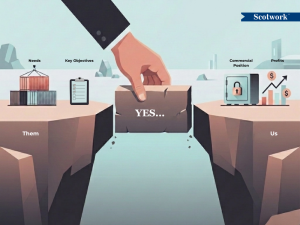
As negotiators, we risk no deal if we aspire to the perfect deal. The aim should be to realise good deals, sustainable for both parties and then move on to the next one.
One example of seeking the perfect deal is buyer’s remorse. This occurs when an early proposal is accepted by the other party. Rather than celebrating the fact that our proposal has been accepted we immediately regret the never to be known lost opportunity we passed up by not asking for more! We torment ourselves unnecessarily with thoughts of what could have been, rather than what was achieved in the deal.
A second example is over-estimating our power and erring on the side of optimism, rather than realism when setting our objectives. Remember all proposals must be credible and have an inherent legitimacy. This requires that you are able to explain the basis of your proposal with reference to the calculations and rationales underpinning it.
A proposal’s legitimacy comes from being able to support it with external benchmarks, other similar deals and external authorities.
All of us at some stage err on the side of optimism during our planning. We fall in love with our own position and supporting arguments and lose sight of external realities.
Effective negotiators open realistically and move modestly – something worth remembering when you next prepare for a negotiation.