Written by
I went recently went back home to New Zealand to spend time with my family. As usual there were plenty of opportunities for in-depth conversations over numerous cups of coffee and home cooked meals. On one such occasion my father told me a story about his first job as a Postie, when he was in his mid-teens.
Dad confessed he slept in one morning, which resulted in being hours late for the job. He was fired on the spot and told to go home. Not exactly a happy story, but there’s a bit more to it.
Dad went on to explain, being young and immature at the time he simply accepted his boss’s instruction to go home. Having matured and with his wealth of life experience he wishes he could be transported back in time and have the opportunity to handle the discussion with his boss differently.
Dad pointed out that his boss would have had to deliver the post for the day seeing as he acted on impulse. Furthermore his boss would now need to spend several hours training a replacement.
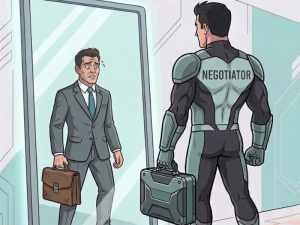
What are the lessons for negotiators?
- Realise what power you can bring to a negotiation – Had my Dad evaluated the power balance, he would have realised it was likely he had sufficient incentive power he could leverage in his favour.
- Evaluating the costs of negotiating vs walking away – As a negotiator it is our job to effectively communicate to our counter parties that the cost of walking away outweighs the cost of negotiating. In this case the cost for my Dad’s boss was perhaps at least 2 days of his time
- Dealing with emotional people – People often react emotionally. It’s likely my Dads boss fired him without thinking through the implications for himself. Had my dad pointed out these implications in a co-operative manner it’s likely he could have turned the situation around. Remember to keep disciplined. Be soft on the people but firm on the issues.
- Probing for flexibility – Rather than accepting the situation (often when we hear “no”), had my father asked “under what circumstances…”, or “just suppose, I deliver the post now (so you don’t have to), and commit to training my replacement when I leave the job… would you reconsider?” … Perhaps he could have turned the situation around.
Now despite the folly of his youth, my father went on to bigger and greater things in his career. I guess it was a happy story after all.
Jared Bamford